- The Recap AI
- Posts
- OpenAI's Code Red response to Gemini
OpenAI's Code Red response to Gemini
PLUS: Amazon’s new Trainium3 chip and Apple poaches a new AI chief

David Roberts
December 03, 2025
In partnership with

Good morning, AI enthusiast.
OpenAI has reportedly declared a 'Code Red' to fast-track a new AI model, a direct response to the competitive threat posed by Google's fast-growing Gemini chatbot.
The move signals a major strategic pivot, pausing commercial projects to refocus entirely on winning the core performance race. With the tables now turned from three years ago, is this intense focus enough for OpenAI to fend off its rivals?
In today’s AI recap:
OpenAI's 'Code Red' response to Gemini
Amazon’s new Trainium3 chip
Apple poaches a new AI chief
8 trending AI Tools
OpenAI's 'Code Red'

The Recap: OpenAI has reportedly declared a "Code Red" to accelerate the launch of a new AI model next week, a direct response to competitive pressure from Google's Gemini. The internal memo, first reported by The Information, claims the new model already outperforms Gemini 3 in internal tests.
Unpacked:
This urgent push comes as Google’s Gemini chatbot grew rapidly from 450 million to 650 million monthly active users between July and October.
To focus on the new model, OpenAI is delaying other commercial projects, including plans for advertising and developing autonomous AI agents.
The situation reverses a trend from three years ago, when Google declared its own "Code Red" to counter the sudden emergence of ChatGPT.
Bottom line: OpenAI is pivoting its entire strategy from expanding commercial features back to winning the core performance race. This intense competition between the industry's top players forces a relentless focus on model capability, directly benefiting users with more powerful tools.
The Future of Shopping? AI + Actual Humans.

AI has changed how consumers shop by speeding up research. But one thing hasn’t changed: shoppers still trust people more than AI.
Levanta’s new Affiliate 3.0 Consumer Report reveals a major shift in how shoppers blend AI tools with human influence. Consumers use AI to explore options, but when it comes time to buy, they still turn to creators, communities, and real experiences to validate their decisions.
The data shows:
Only 10% of shoppers buy through AI-recommended links
87% discover products through creators, blogs, or communities they trust
Human sources like reviews and creators rank higher in trust than AI recommendations
The most effective brands are combining AI discovery with authentic human influence to drive measurable conversions.
Affiliate marketing isn’t being replaced by AI, it’s being amplified by it.
AI Tools of the Day
🎞️ Framepack AI - Generate long-form videos with an open-source neural network that impressively runs on consumer-grade hardware with only 6GB of VRAM.
💡 Pico - Instantly bring your app ideas to life by describing them in plain text and letting AI handle the coding and deployment.
🎲 Sloyd - Rapidly generate and customize game-ready 3D assets for any project using a powerful combination of AI and parametric templates.
🎶 Udio - Effortlessly generate professional-quality, full-length songs in any genre, complete with custom lyrics and vocals, just by typing a text prompt.
⚙️ AutoRegex - Instantly translate plain English into complex regular expressions, eliminating the tedious guesswork of pattern matching for developers.
🤖 UneeQ Digital Humans - Build and deploy photorealistic, AI-powered digital avatars that create deeply engaging and human-like customer service interactions.
⚡ Kypso - Deploy smart AI agents that automate your entire engineering workflow, from generating release notes to managing incidents across all your tools.
🎯 Shaped - Implement sophisticated, real-time ranking and recommendation models into your platform to deliver deeply personalized user experiences.
Explore the Best AI Tools Directory to find tools that will 10x your output 📈
Amazon's AI Chip Offensive
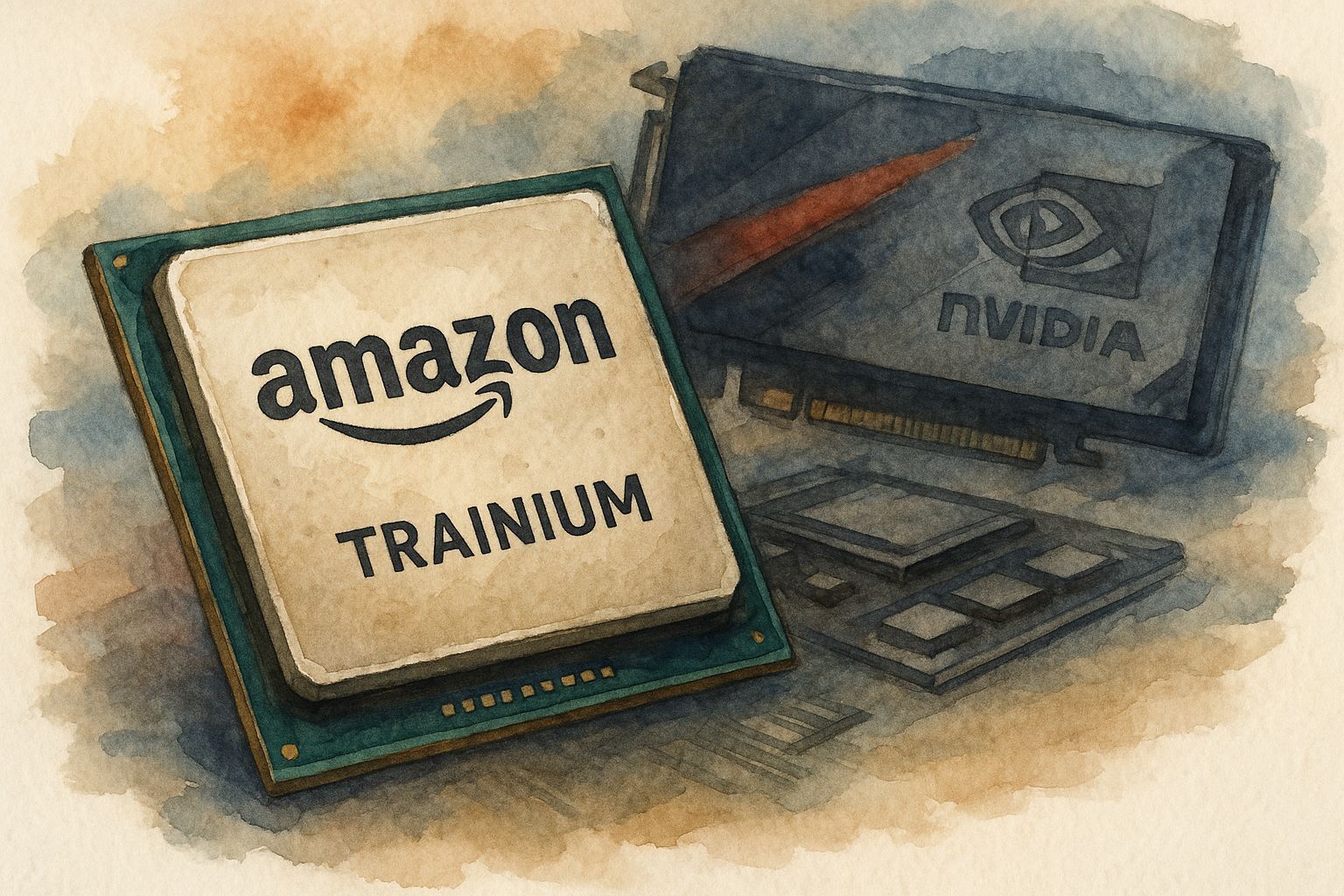
The Recap: Amazon Web Services unveiled its new Trainium3 AI chip, delivering 4x faster performance and a 40% boost in energy efficiency, while also teasing a future chip that will be compatible with Nvidia hardware.
Unpacked:
The new system delivers a significant performance leap, with 4x more speed and memory for training and running demanding AI applications at scale.
Trainium3 is 40% more energy efficient than its predecessor, a critical improvement as data centers face rapidly increasing power demands.
Amazon also previewed Trainium4, which will support Nvidia's NVLink, making it easier for developers already using Nvidia GPUs to adopt AWS's custom hardware.
Bottom line: Amazon's custom silicon offers customers a powerful, cost-effective alternative for training large-scale AI models. This move signals a direct challenge to Nvidia's market dominance by creating a more open and interoperable hardware ecosystem.
AI Training

The Recap: We just posted our very first (of many!) AI automation training videos on YouTube. In this video, we walk through how to use n8n, firecrawl, and rss.app to scrape virtually any piece of web content and transform it into LLM-ready output.
P.S. We also launched a free AI Automation Community for those looking to build and sell AI Automations — Come join us!
Apple Poaches New AI Lead
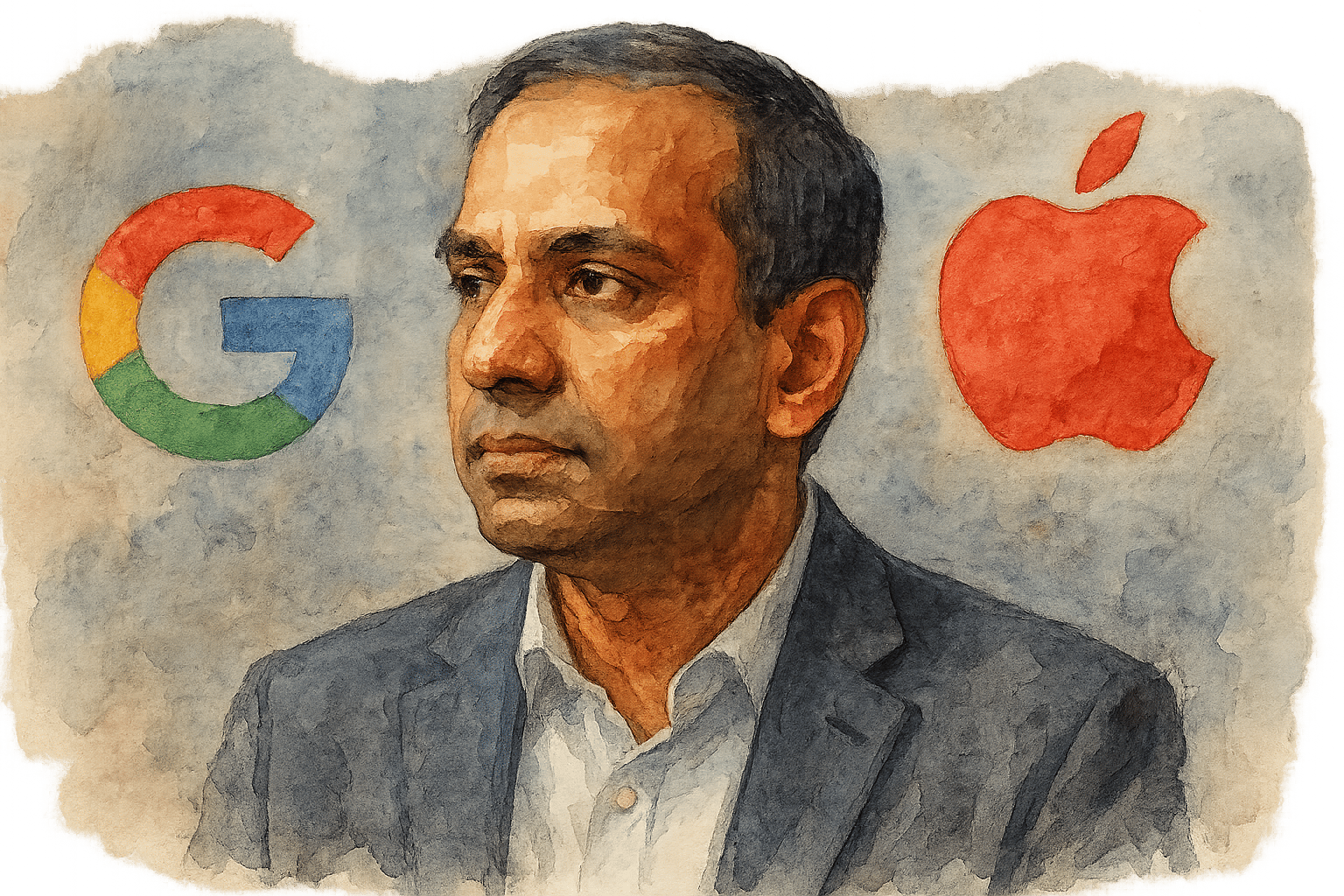
The Recap: Apple is making a major move to fix its AI strategy by hiring Amar Subramanya, a former Google veteran who led engineering for the Gemini assistant. This high-profile hire signals Apple is aggressively trying to close the gap with its competitors.
Unpacked:
This hire comes after Apple's own "Apple Intelligence" suite stumbled with errors and the promised overhaul of Siri was delayed until 2026.
Subramanya's deep expertise in large language models from his time at Google, and his academic background in training AI with limited data, directly addresses Apple's core challenges and privacy-first approach.
His move from Google to Microsoft and now to Apple highlights the escalating talent war in Silicon Valley, where top AI experts are in extremely high demand.
Bottom line: This strategic hire puts an experienced product-focused leader in a critical role to turn Apple's AI ambitions into reality. The pressure is now on Subramanya to deliver a competitive AI experience that lives up to the Apple brand.
Where AI Experts Share Their Best Work
Join our Free AI Automation Community

Join our FREE community AI Automation Mastery — where entrepreneurs, AI builders, and AI agency owners share templates, solve problems together, and learn from each other's wins (and mistakes).
What makes our community different:
Real peer support from people building actual AI businesses
Complete access to download our automation library of battle-tested n8n templates
Collaborate and problem-solve with AI experts when you get stuck
Dive into our course materials, collaborate with experienced builders, and turn automation challenges into shared wins. Join here (completely free).
SoftBank's Painful AI Pivot
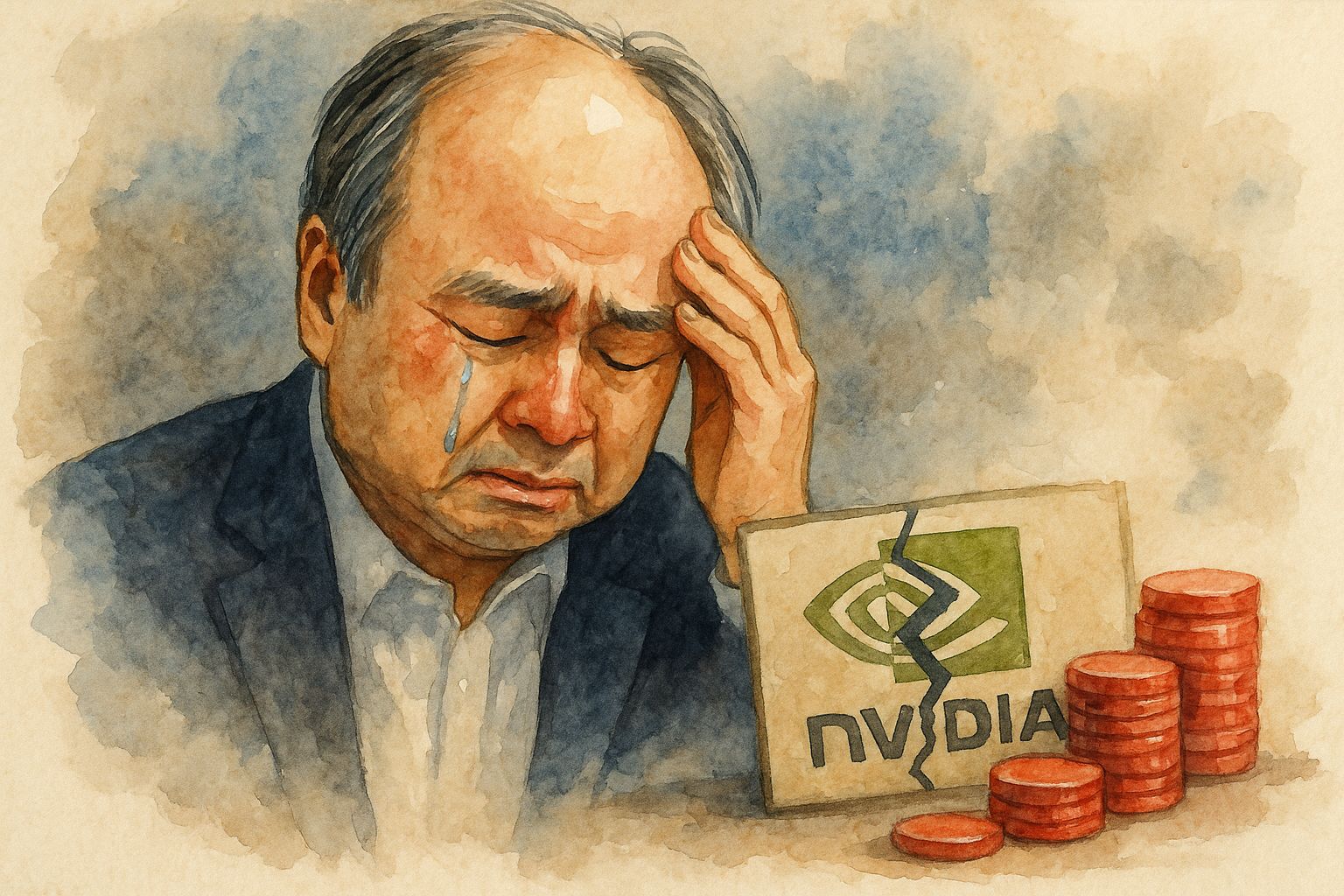
The Recap: SoftBank CEO Masayoshi Son revealed the firm's difficult decision to sell its entire $5.83 billion Nvidia stake was a necessary sacrifice to fund its next massive bets on AI, including a major investment in OpenAI.
Unpacked:
Son explained that while he was "crying" over the sale, the capital was essential for bankrolling new investments in OpenAI and critical data center projects.
The strategy is already showing returns, as valuation gains from its OpenAI holdings helped SoftBank's second-quarter net profit more than double to $16.6 billion.
Dismissing fears of an AI bubble, Son predicted that super intelligence will eventually add at least 10% to global GDP, justifying the immense investment required today.
Bottom line: This move highlights a major shift where holding today's top assets is secondary to securing a stake in tomorrow's foundational AI platforms. It also underscores the massive capital required to compete at the frontier of AI, forcing even giants to liquidate prized holdings for future growth.
The Shortlist
Anthropic launched Claude for Nonprofits, a new initiative offering its AI tools at a discount of up to 75% and integrating with platforms like Blackbaud, Candid, and Benevity.
Senator highlighted the massive environmental impact of AI data centers in a call for new regulation, noting that a single large facility can use as much electricity as 750,000 homes.
Research links consistent AI usage with impaired cognitive function, raising the chances of developing digital dementia by reducing the brain's grey matter.
Signing off,
David, Lucas, Mitchell — The Recap editorial team